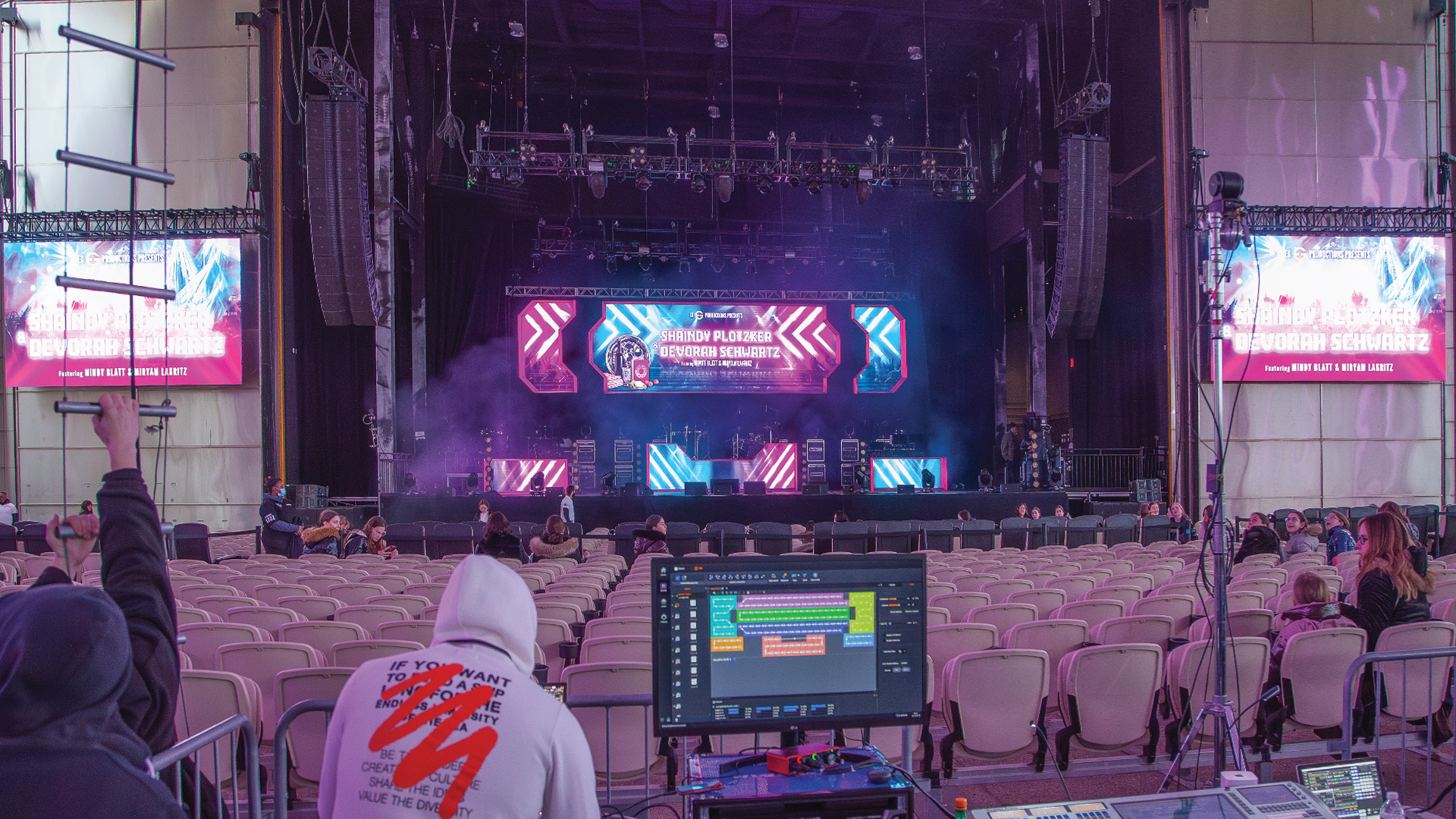
The broadcast engineer traced the problem: twelve separate cable bundles running behind the LED wall had become an impossible tangle during load-in, creating signal issues that took hours to resolve. One data cable pinched against a power trunk caused intermittent dropouts that appeared random until someone found the physical damage. This preventable disaster illustrated why cable management matters as much as equipment selection—the most sophisticated AV system fails when cables can’t deliver signals reliably.
The Real Costs of Poor Cable Management
Cable problems manifest in multiple expensive ways. Signal degradation from damaged cables produces artifacts that appear to be equipment failures, sending engineers on time-consuming wild goose chases. Intermittent connections create unpredictable failures that may not appear during testing but emerge during critical moments. Tripping hazards from poorly routed cables create liability exposure and safety risks. Each problem costs time, money, and professional reputation when they cause visible failures.
Troubleshooting time represents the largest hidden cost. A signal that drops intermittently might indicate console failure, cable damage, processor problems, or any point in the signal chain. Systematic isolation testing the only reliable diagnostic approach requires time that compressed event schedules rarely provide. Productions that invest in proper cable management from the start avoid these troubleshooting marathons by eliminating their root causes.
Systematic Cable Organization
Color coding systems enable instant visual identification of cable types and destinations. Many productions standardize colors: red for video, blue for audio, yellow for data, green for control. Cable labels from Brady and Brother P-Touch systems provide permanent identification that survives production handling. Every cable should indicate both ends’ intended connections “FOH Audio to Stage Box 1” enabling anyone to verify correct routing without chasing cables through tangles.
Cable routing strategies separate different signal types to prevent interference. Power cables and data cables should never run parallel in close proximity electromagnetic interference from power can corrupt data signals. Star patterns radiating from central distribution points prove easier to trace than complex interconnected webs. Planning routes before load-in marking paths with tape if necessary ensures organized installation rather than discovering routing problems mid-event.
Infrastructure for Professional Cable Management
Cable ramps from Yellow Jacket and Checkers protect cables while providing safe pedestrian crossings. These products indicate professional production quality while eliminating trip hazards that liability-conscious venues require addressed. Different capacities handle different cable quantities matching ramp capacity to actual cable runs prevents overfilling that damages cables or understocking that wastes money.
Cable management hardware Velcro ties, cable hangers, saddles, and truss-mounted cable guides keeps runs organized throughout installations. Middle Atlantic and Penn Elcom manufacture rack accessories that manage cables within equipment racks. Spending appropriately on these consumables and accessories during load-in saves dramatically larger costs when disorganized cables create problems that organized installations would have prevented.
Cable management represents the unsexy discipline that makes everything else work reliably. Productions that prioritize organized, protected, properly documented cable installations experience fewer failures, faster troubleshooting when problems occur, and smoother load-outs. The investment in time and materials for proper cable management pays dividends throughout events and across careers as reputation for reliable work develops from consistent execution of fundamentals that many productions neglect.
