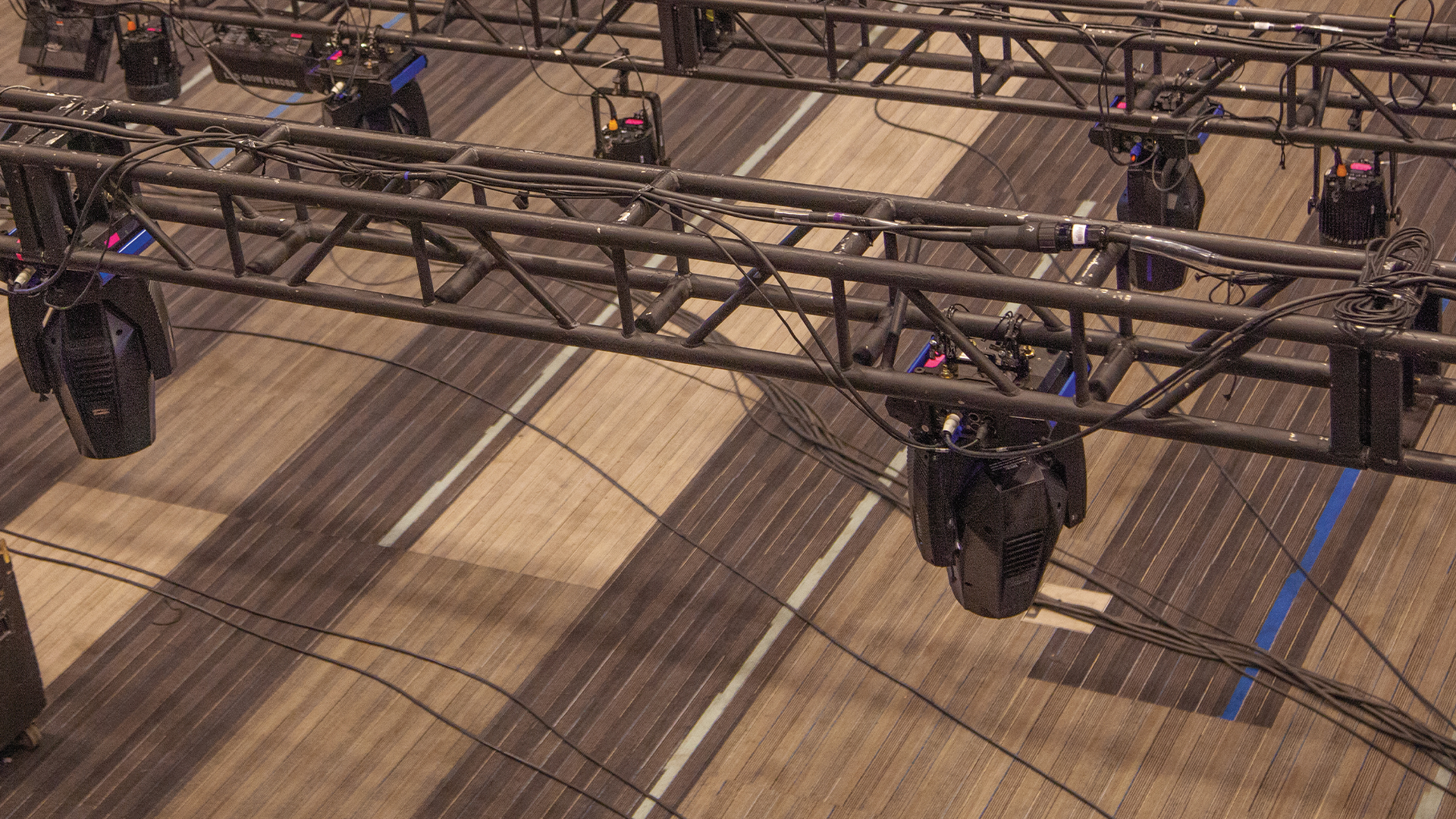
When Structural Integrity Becomes Questionable
The moment when truss structural integrity comes into question ranks among production’s most terrifying experiences. These aluminum frameworks support tons of lighting, video, and audio equipment above performers and audiences. When they show signs of failure—unusual sounds, visible deformation, or unexpected movement—everyone present faces decisions with life-or-death implications.
Truss failure incidents, while statistically rare given the millions of events worldwide, have produced tragedies that reshape industry practices. Each incident prompts investigation, regulation updates, and renewed focus on the engineering principles that separate safe installations from disasters waiting to happen. Understanding these principles helps production professionals recognize warning signs before situations become critical.
Truss Engineering Fundamentals
Modern entertainment truss uses aluminum alloy construction—typically 6082-T6 or similar grades—that provides excellent strength-to-weight ratio. Manufacturers like Tyler Truss, Total Structures, Prolyte, and Global Truss design products to meet specific load ratings under defined conditions. These ratings assume proper use—a critical caveat that real-world installations sometimes violate.
Truss design calculations consider multiple load types. Static loads—the weight of attached equipment—represent the most obvious consideration. Dynamic loads from moving equipment, wind forces on outdoor installations, and point loads concentrated at attachment points all affect structural behavior. Engineers use safety factors—typically 5:1 or higher—to ensure structures survive conditions beyond normal expectations.
Warning Signs of Structural Stress
Visual indicators provide the most accessible warning signs. Bent chord members, cracked welds, missing or damaged connection hardware, and visible deflection beyond normal limits all suggest problems requiring immediate attention. The ESTA/ANSI E1.2 standard specifies maximum allowable deflection ratios that help identify overloaded structures.
Audible warnings often precede visible failure. Creaking, popping, or grinding sounds from truss connections indicate movement that shouldn’t occur in properly secured structures. Metal fatigue can produce subtle sounds as cracks propagate through stressed members. Experienced riggers develop sensitivity to these sounds, treating any unusual noise as cause for investigation.
The Deflection Debate
Some truss deflection is normal and expected—aluminum structures flex under load within design parameters. The challenge lies in distinguishing acceptable deflection from dangerous overloading. A 40-foot span of 12-inch box truss carrying its rated load might deflect several inches at center span without indicating any problem. The same deflection in a 20-foot span would suggest serious overloading.
Calculation software like Milos Structural Engineering and SkyCiv help predict expected deflection under specific load conditions. Comparing observed deflection to calculated predictions reveals whether structures are performing as designed or approaching limits. This comparison requires accurate load information—another area where real-world practice sometimes falls short of engineering requirements.
Case Study: The Arena Incident
During load-in for a major arena tour, the head rigger noticed unusual deflection in a primary truss span. The span, carrying a significant portion of the lighting rig, showed several inches more deflection than previous installations of the same design. Initial reaction attributed the difference to venue rigging point spacing, but the rigger’s instinct prompted further investigation.
Closer examination revealed a cracked weld at a connection point between truss sections. The crack, nearly invisible from ground level, had compromised the joint’s load-bearing capacity. Continued loading would have transferred stress to remaining connections, potentially initiating progressive failure. The rigger’s decision to halt work and investigate—despite schedule pressure—prevented what engineers later confirmed would have been catastrophic failure.
Investigation Findings
Post-incident analysis traced the crack to fatigue damage accumulated over years of touring. The affected truss section had experienced thousands of load cycles—assembly, loading, show operation, unloading, disassembly—each cycle contributing microscopic damage that eventually became a visible crack. The section had passed visual inspections because the crack initiated in a location hidden by connection hardware.
The incident prompted the production company to implement non-destructive testing (NDT) protocols including dye penetrant and ultrasonic inspection of critical welds. While adding cost and time to maintenance procedures, these methods detect damage invisible to visual inspection. The investment proved worthwhile when subsequent testing revealed similar damage in other truss sections.
Environmental Factors
Outdoor installations face environmental stresses that compound structural concerns. Wind loading can exceed equipment weight, particularly for structures presenting large surface areas like LED walls or scenic elements. The Stageline SL320 and similar mobile stages include wind rating specifications that operators must respect despite show-must-go-on pressures.
Temperature variations affect aluminum dimensions—structures expand in heat and contract in cold. Connections designed with tight tolerances can bind or loosen as temperatures change throughout long days of outdoor operation. Thermal cycling also accelerates fatigue damage, with daily temperature swings contributing to crack initiation and propagation.
The Human Factor in Truss Safety
Improper loading contributes to many truss incidents. Production designs that place loads beyond rated capacities, attachment methods that concentrate forces at single points, and field modifications that compromise structural integrity all create conditions for failure. The pressure to accommodate additional equipment—”just one more fixture”—must yield to engineering reality.
Maintenance neglect allows preventable problems to develop into dangerous conditions. Rental companies cycling equipment through multiple productions may defer maintenance that interrupts revenue generation. The economics improve when equipment fails on someone else’s show—a perverse incentive that proper industry standards attempt to address.
The Qualified Rigger Requirement
The ETCP certification program establishes competency standards for entertainment riggers, including arena and theatre specializations. Certified riggers demonstrate knowledge of structural principles, load calculation, and safety procedures that protect against common failure modes. While certification doesn’t guarantee safety, it establishes baseline competency that uncertified riggers may lack.
Venue requirements increasingly mandate certified riggers for overhead work. Insurance carriers may require documentation of rigger qualifications before issuing coverage. These requirements face resistance from some quarters of the industry, but the trend toward professionalization reflects lessons learned from preventable incidents.
Emergency Response Protocols
When structural concerns arise during events, response protocols determine outcomes. The first priority involves removing personnel from potential fall zones—areas where equipment could land if structures fail. This evacuation must occur before diagnosis proceeds, prioritizing life safety over equipment or show continuity.
Stop Work Authority empowers any crew member to halt operations when safety concerns arise. This authority must be genuine—not just policy language—to function effectively. Productions where junior riggers feel unable to question senior decisions create conditions where obvious problems go unreported until too late.
Inspection and Maintenance Standards
Regular truss inspection follows protocols established by manufacturers and industry standards. Visual inspection before each use checks for obvious damage. Detailed inspection at regular intervals examines welds, connections, and chord members for damage that visual scanning might miss. Documentation of inspections creates records that support both safety programs and liability protection.
The PLASA Technical Standards Program publishes inspection criteria for entertainment truss, including guidelines for retirement of damaged components. Truss that fails inspection standards must be removed from service—a requirement that conflicts with economic pressures but represents the only responsible approach to structural safety.
Documentation and Traceability
Serial number tracking enables truss lifecycle management that identifies equipment approaching end-of-life. Load history documentation helps predict fatigue damage accumulation. Incident records guide inspection focus toward equipment with documented stress exposure. This documentation requires administrative investment but enables informed retirement decisions.
The rental market complicates traceability. Truss passing through multiple rental companies may lose documentation continuity, with current possessors unaware of previous damage or repairs. Industry efforts toward standardized documentation face practical challenges but would significantly improve safety if implemented.
Moving Forward Safely
The truss that threatens collapse represents every production professional’s nightmare, but the nightmare is largely preventable. Proper engineering, qualified personnel, regular inspection, and honest assessment of structural capacity prevent most potential failures. The investment in safety—time, money, training—returns dividends in prevented disasters.
Every rigger who stops work to investigate an unusual sound, every production that respects load ratings despite schedule pressure, every company that invests in proper inspection contributes to an industry that protects the people who create live entertainment. The alternative—waiting for failure to teach lessons—costs lives. The choice should be obvious.
