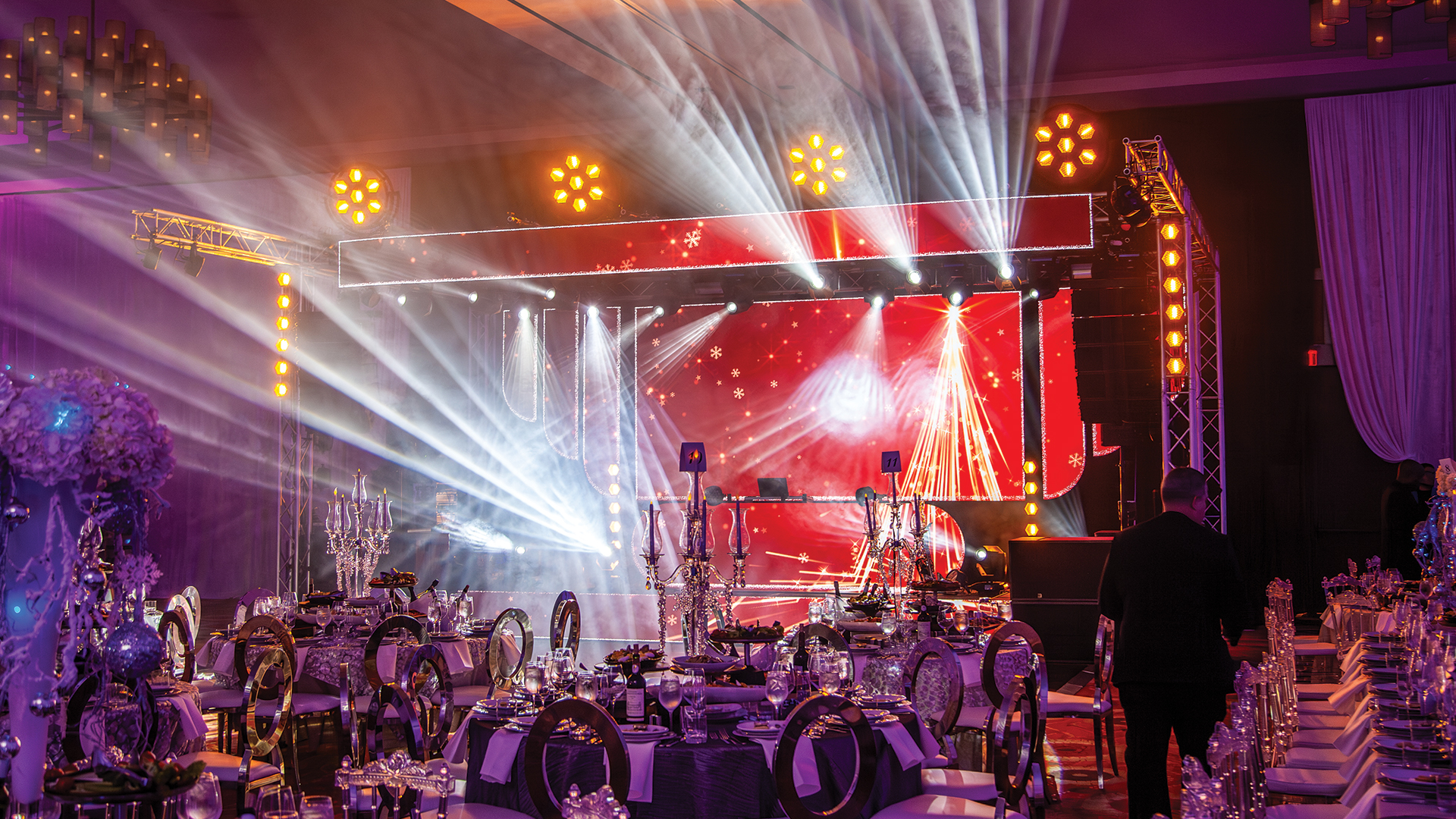
The followspot operators had been briefed extensively: subtle, supportive lighting that enhanced without dominating. The Robert Juliat Oz fixtures were dialed in, the color frames were ready, and the cue sheets were memorized. Then the show began, and somehow the spotlights developed personalities—dramatic flares at inappropriate moments, iris pumping that made performers look like they were breathing light, and color shifts that nobody had programmed. The lighting director spent the first act convinced the operators were improvising; the operators spent the first act convinced the fixtures were possessed.
The Analog Soul in Digital Bodies
Modern followspots blend mechanical simplicity with electronic sophistication. The basic function—projecting a focused beam that an operator can direct manually—hasn’t changed since the carbon arc era. But today’s fixtures include DMX control for intensity, electronic color mixing, motorized iris and zoom, and network connectivity for remote monitoring. This hybrid architecture creates opportunities for problems that purely mechanical or purely digital systems wouldn’t experience.
The drama queen spots that night suffered from a DMX conflict—the console was sending intermittent data to fixture addresses that overlapped with the followspot control channels. When the console sent lighting cues, stray data occasionally reached the followspots, creating phantom commands that competed with operator input. The mechanical controls worked; the electronic overrides didn’t.
Operator Versus Automation
The industry continues debating the relative merits of human-operated followspots versus automated tracking systems. Traditional operation provides intuitive response to performer movement, artistic interpretation in real time, and the ability to adapt instantly to unexpected situations. Automated systems like Follow-Me or zactrack offer precision, consistency, and the elimination of human error—along with the introduction of technological error.
The choice depends on production requirements. A Broadway show with the same performers hitting the same marks eight times a week might benefit from automation’s consistency. A concert tour with different venues nightly and performers who improvise staging might need human operators’ adaptability. Many productions use hybrid approaches—automated moving lights tracking performers with traditional followspots providing key light.
The Psychology of Light Following
Skilled followspot operation requires a particular psychological profile: intense focus maintained over extended periods, the ability to anticipate movement before it happens, and ego sublimation that allows operators to remain invisible while being essential. The best operators don’t just follow performers—they dance with them, creating seamless partnerships where light and movement become unified.
When this partnership breaks down—whether due to equipment malfunction, miscommunication, or simple human error—the spotlight becomes a distraction rather than enhancement. The drama queen behavior on that troubled production night frustrated operators who couldn’t understand why their inputs weren’t producing expected results. The psychological contract between operator and fixture had been violated.
Technical Troubleshooting Under Pressure
Diagnosing followspot problems during a live performance requires rapid elimination of possibilities. Is the problem in the console? The network? The fixtures? The operators? The production electrician must work through this logic while the show continues, making changes that might fix the problem without creating new ones.
That production’s solution emerged during intermission: complete isolation of the followspot DMX from the main lighting network. The fixtures reverted to pure manual control, eliminating the remote adjustment capability but also eliminating the interference causing erratic behavior. Sometimes solving a problem means accepting reduced functionality rather than chasing perfect but unstable performance.
Building Reliable Followspot Systems
Professional followspot deployment requires attention to infrastructure that casual users overlook. Intercom systems connecting operators to the calling station must be reliable and clear. Power feeds should be dedicated rather than shared with other equipment. Fixture maintenance must be rigorous—lamps, reflectors, and mechanical components degrade with use.
The Lycian Stage Lighting products that dominated American theater for decades built reputations on mechanical reliability. Modern LED-source fixtures from Robert Juliat and others offer improved efficiency and color capabilities, but they also introduce electronic systems that can fail in ways that incandescent technology never did. Every feature is a potential failure point.
The Future of Following Light
Emerging technologies promise to transform followspot functionality further. AI-assisted tracking can help operators maintain lock on performers during complex choreography. Augmented reality displays might show operators cue information without requiring them to look away from their targets. These tools could enhance human operation rather than replacing it—acknowledging that the creative judgment of skilled operators remains valuable.
The drama queen spotlights eventually calmed down once isolated from their digital irritants. The operators finished the run with fixtures that did exactly what they were told—nothing more, nothing less. The lighting director noted in the production report that followspots had developed “excessive personality” during act one, a euphemism for technical failure that would make future crews smile knowingly. In live entertainment, even the equipment has bad days—and professional response means solving problems faster than audiences can notice them.
Keywords: followspot operators, Robert Juliat Oz, lighting director, followspots, carbon arc era, DMX control, DMX conflict, human-operated followspots, automated tracking systems, Follow-Me, zactrack, moving lights, followspot operation, followspot problems, production electrician, followspot DMX, followspot deployment, intercom systems, power feeds, fixture maintenance, Lycian Stage Lighting, Robert Juliat, followspot functionality, AI-assisted tracking, augmented reality displays, live entertainment
