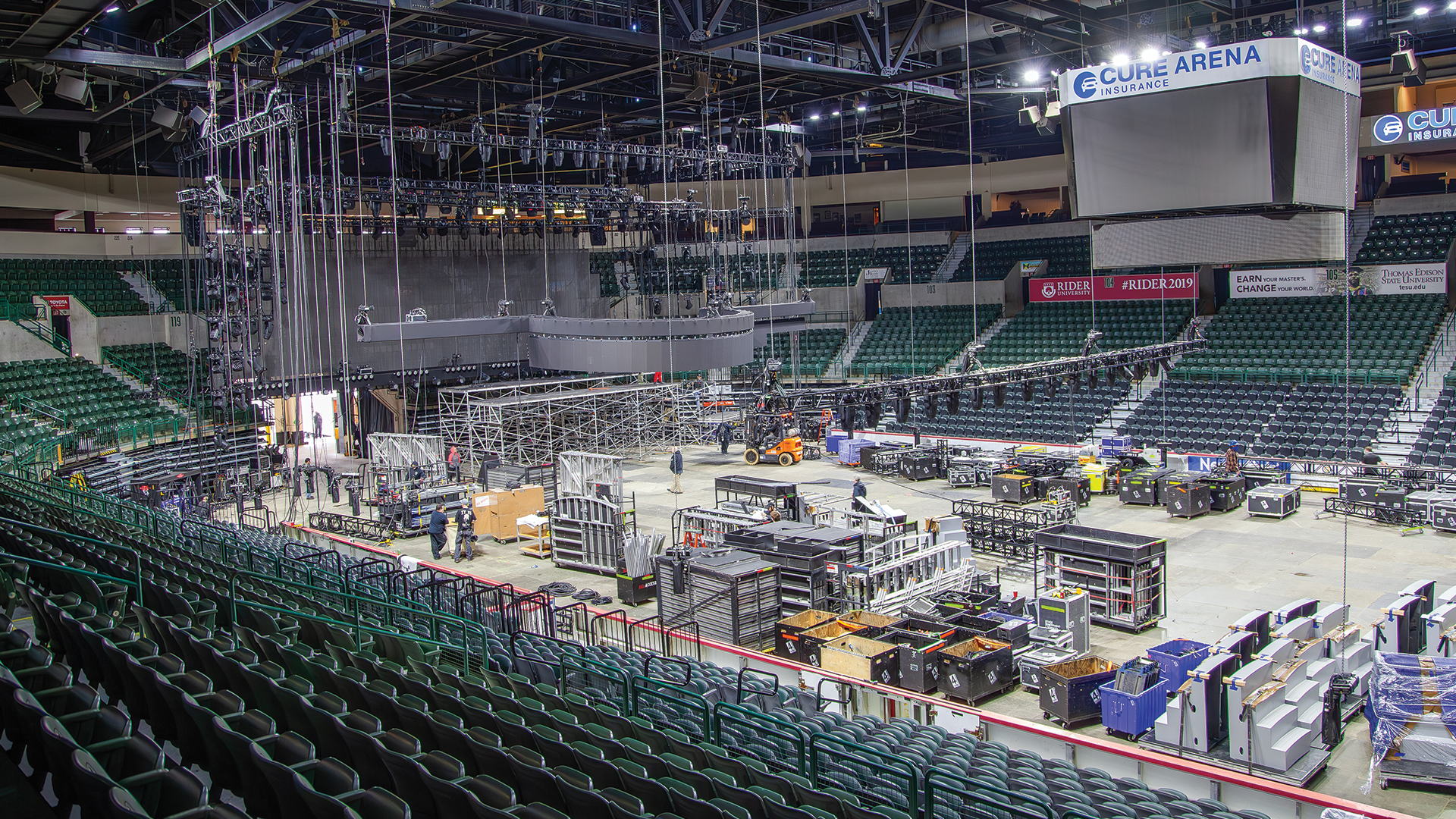
Modern productions consume electricity at industrial scales—\ a major concert might draw more power than a small factory. Preparing venues for these large power requirements involves careful planning, coordination with utilities, and technical expertise that prevents catastrophic failures. The consequences of inadequate power planning range from annoying equipment trips to dangerous electrical fires, making this among the most critical aspects of production management.
Understanding Production Power Demands
Calculating actual power consumption requires examining every production element. Lighting systems combining conventional fixtures with LED and moving lights might demand 200-500 amps. Audio systems including amplifiers for line arrays and subwoofers add another 100-300 amps. Video walls, media servers, and LED processors contribute significantly more.
The aggregate of nameplate ratings on equipment vastly overstates actual draw. A moving light rated at 1800 watts rarely operates at full intensity continuously. Modern LED fixtures consume fractions of their conventional equivalents. Experienced power planners apply diversity factors accounting for actual operating conditions rather than theoretical maximums.
Three-phase power distribution enables higher capacity than single-phase systems. Most significant productions require three-phase service with balanced loading across phases. Unbalanced loads reduce effective capacity and can trip protection devices even when total amperage falls within specifications.
Assessing Venue Electrical Infrastructure
Site surveys must examine existing electrical infrastructure before committing to venue selection. Older venues might have beautiful architecture but inadequate electrical service for modern productions. Convention centers typically provide substantial power access points, while historic theatres may struggle to supply contemporary demands.
Request electrical drawings showing service entrance capacity, distribution panel locations, and available disconnect switches. Identify where Cam-Lok or similar company switch connections exist for production power access. Note distances from connection points to stage positions—cable runs affect voltage drop calculations.
Verify that venue circuits intended for production use are truly isolated from house systems. Productions have suffered embarrassing failures when venue HVAC systems sharing circuits caused breaker trips. Demand documentation of circuit isolation or conduct load testing before audience arrival.
Working With Utility Companies
Major productions often exceed venue permanent capacity, requiring temporary utility service installations. Utility companies can provide additional transformer capacity or temporary service connections, but require substantial lead time for planning and installation.
Coordinate with utility representatives early in production planning. They need detailed load calculations showing expected demand profiles. Some utilities charge demand fees based on peak consumption, making load management financially significant beyond technical requirements.
Temporary connections require permits and inspections in most jurisdictions. Allow weeks—sometimes months—for approval processes. Productions discovering inadequate power during load-in face expensive emergency solutions or show cancellation.
Generator Systems for Supplemental Power
When venue power proves insufficient, generator systems provide supplemental capacity. Rental generators from companies like Aggreko, United Rentals, or Sunbelt range from small portable units to trailer-mounted systems producing megawatts of power.
Generator sizing requires understanding both running loads and inrush currents. Equipment draws significantly more current during startup than steady-state operation. A generator adequately sized for running loads might trip when multiple systems start simultaneously.
Position generators to minimize acoustic intrusion while maintaining safe exhaust ventilation. Diesel exhaust fumes entering venues create health hazards and trigger fire alarms. Cable runs from generators to distribution points require protection from vehicle traffic and pedestrians.
Fuel management for extended events requires planning. Large generators consume hundreds of gallons daily. Fuel delivery schedules must maintain supply without interrupting performances. Some productions maintain dual-tank systems enabling hot refueling without generator shutdown.
Power Distribution Equipment
Connecting production equipment to venue or generator power requires appropriate distribution equipment. Company switches, also called disconnect switches, provide the primary interface between utility power and production distribution. These devices include main disconnects, overcurrent protection, and connection points for feeder cables.
Cam-Lok connectors have become the entertainment industry standard for high-amperage connections. Color-coded conductors (black/red/blue for phases, white for neutral, green for ground) enable quick, safe connections. Verify connector compatibility between venue provisions and production equipment.
Distro racks from manufacturers like Motion Labs, Lex Products, or Power Distribution Inc. split high-amperage feeds into circuits serving individual departments. These racks include circuit breakers protecting downstream equipment and enabling selective shutdown for troubleshooting.
Cable Management and Safety
Proper cable management ensures safety and prevents damage. Feeder cables carrying hundreds of amps generate significant heat—bundled cables can overheat, potentially causing fires. Proper installation allows adequate spacing for cooling.
Cable runs crossing traffic areas require protection. Cable ramps rated for expected loads prevent crushing while eliminating trip hazards. Cable crossovers suitable for forklift traffic differ from those designed only for pedestrians—verify rating matches actual use.
Ground fault protection becomes critical in wet locations. Outdoor events or venues with water features require GFCI protection on all circuits accessible to personnel. Code requirements vary by jurisdiction, but prudent practice applies ground fault protection liberally regardless of legal mandates.
Load Balancing Across Phases
Three-phase power works most efficiently with balanced loads distributed evenly across phases. Significant imbalance reduces effective capacity and stresses distribution equipment. Production electricians monitor phase loading throughout setup, redistributing circuits to maintain balance.
Modern power monitoring equipment provides real-time load information enabling dynamic load management. Systems from companies like OutBack Power display phase currents, allowing crews to identify imbalances before problems occur. Some installations include automated load shedding triggered by approaching overcurrent conditions.
Large single-phase loads—particularly amplifiers—can cause persistent imbalance if not distributed thoughtfully. Audio system designers specify amplifier placement considering electrical distribution, not just acoustic requirements.
Voltage Drop Calculations
Long cable runs introduce voltage drop that can cause equipment malfunction. Lighting fixtures may behave erratically; motors may overheat. Professional calculations determine acceptable cable lengths for given loads, using larger gauge conductors when distances require.
Most equipment tolerates 3-5% voltage drop without problems. Productions with particularly long runs outdoor festivals with remote staging may need stepped-up voltage at the source to maintain acceptable levels at equipment. Voltage measurements at load points verify calculations before equipment operation begins.
Documentation and Compliance
Jurisdictions require permits and inspections for temporary electrical installations. Fire marshals, building inspectors, and electrical inspectors may all have authority over production power systems. Compliance documentation demonstrating proper installation satisfies these authorities and protects productions from liability.
Maintain detailed records of load calculations, distribution configurations, and inspection approvals. Insurance companies may request this documentation following incidents. Productions unable to demonstrate proper procedures face increased liability exposure.
The effort invested in proper power preparation enables everything else productions attempt. Without adequate, reliable power, sophisticated lighting, audio, and video systems become expensive decorations. Thorough planning, competent installation, and ongoing monitoring ensure venues can support the electrical demands modern productions require.
