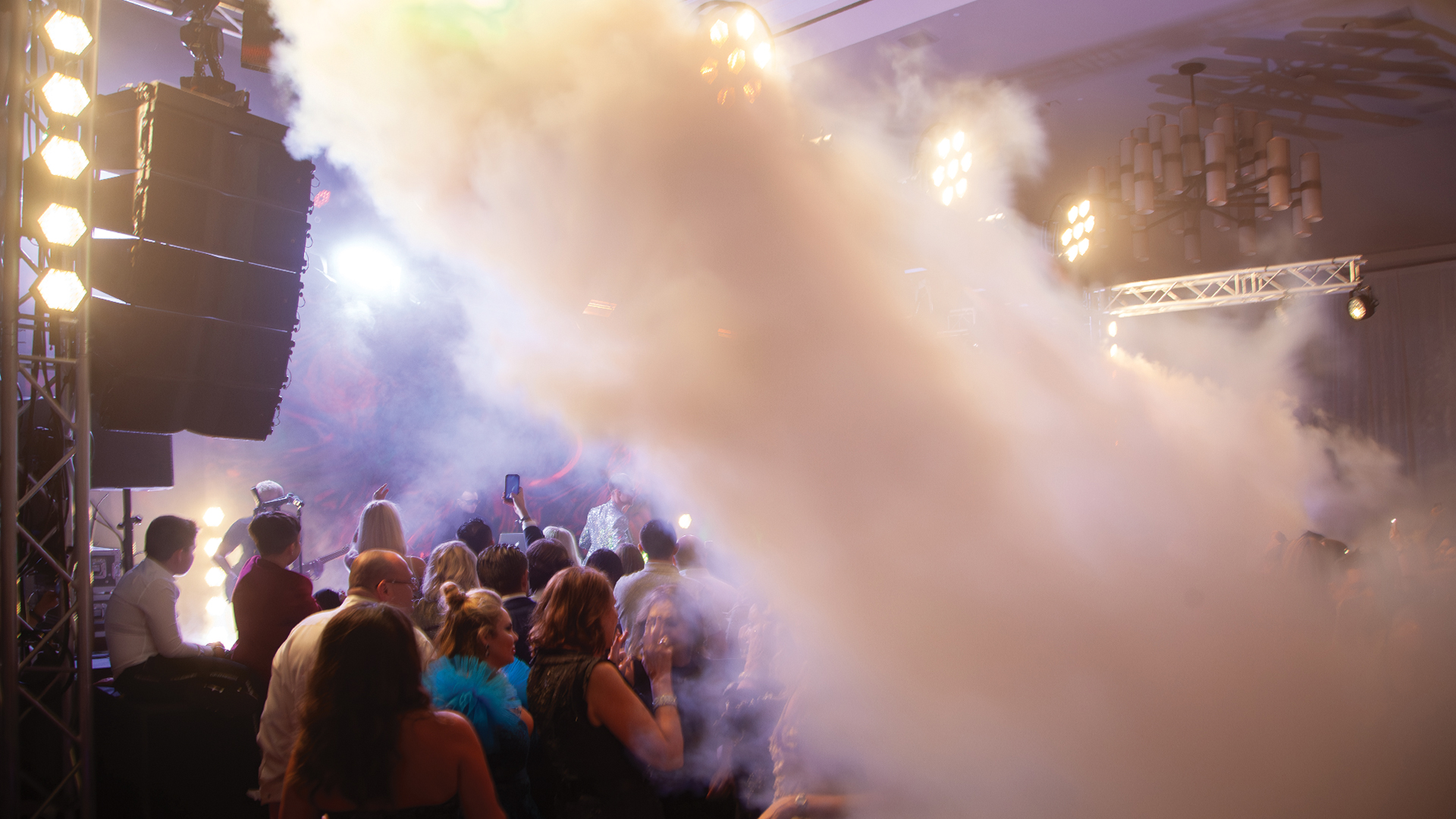
The theatrical fog machine should be an obedient tool—producing atmospheric effect on command. But some machines develop what can only be described as personality, expressing preferences about when and how much fog the production really needs.
The MDG ATMe Prima Donna
The MDG ATMe represents premium haze generation technology. Special effects coordinator Marcus Webb encountered an ATMe that developed opinions about appropriate output levels.
“The unit would accept DMX commands but actual output seemed subject to internal deliberation. Full output command might produce 70% or 90%, seemingly at random. The machine appeared to be editorializing on our haze requirements.”
Investigation revealed a failing pressure sensor in the fluid system. “The sensor was reporting variable pressure readings that the machine interpreted as reasons to modulate output. A replacement sensor restored its agreeable disposition.”
The Look Solutions Unique 2.1 Timing Tantrums
The Look Solutions Unique 2.1 hazer provides versatile atmospheric effects. Production electrician Sarah Chen encountered a Unique that had timing preferences.
“The hazer would respond perfectly to commands for about 45 minutes, then start adding unauthorized delays. A burst command would execute three seconds late. Continuous haze would pause randomly. The machine seemed to be taking breaks.”
The issue involved thermal management in the control electronics. “The processor was overheating and throttling. Once we improved ventilation around the unit, the timing returned to normal.”
Historical Context: Theatrical Fog Through the Ages
Stage fog has ancient origins. Early theater used burning incense and resin to create atmospheric effects. The Victorian era introduced steam effects generated from heated water, though control was limited.
The oil-cracking fog machine of the 1970s—pioneered by companies like Rosco and MDG—established the technology that underlies modern atmospheric effects.
The Antari F-7 Smog Opera
The Antari F-7 Smog creates low-lying fog effects using cryogenic fluid cooling. Effects tech David Park encountered an F-7 with dramatic tendencies.
“The fog would emerge in rolling waves rather than the smooth carpet we programmed. It created beautiful effects—just not the ones we asked for. The machine had become an interpretive artist.”
The behavior traced to irregular CO2 flow rates from a regulator issue. “The pulsing flow created the wave patterns. A new regulator delivered the smooth output we needed.”
Practical Fog Machine Management
Maintaining consistent fog machine behavior requires attention to all system components. Regular fluid quality verification prevents residue buildup that affects output. The heating element should reach proper temperature before operation.
DMX control chains should be verified independently of the machines own quirks. A DMX tester confirms signal integrity before blaming the fog machine for command interpretation issues.
Fog machines create the invisible architecture of light—the medium through which beams become visible and atmosphere becomes tangible. When they develop personality, they remind us that even simple tools exist within complex systems. The skill lies in maintaining their cooperation while appreciating their occasional artistic contributions.
