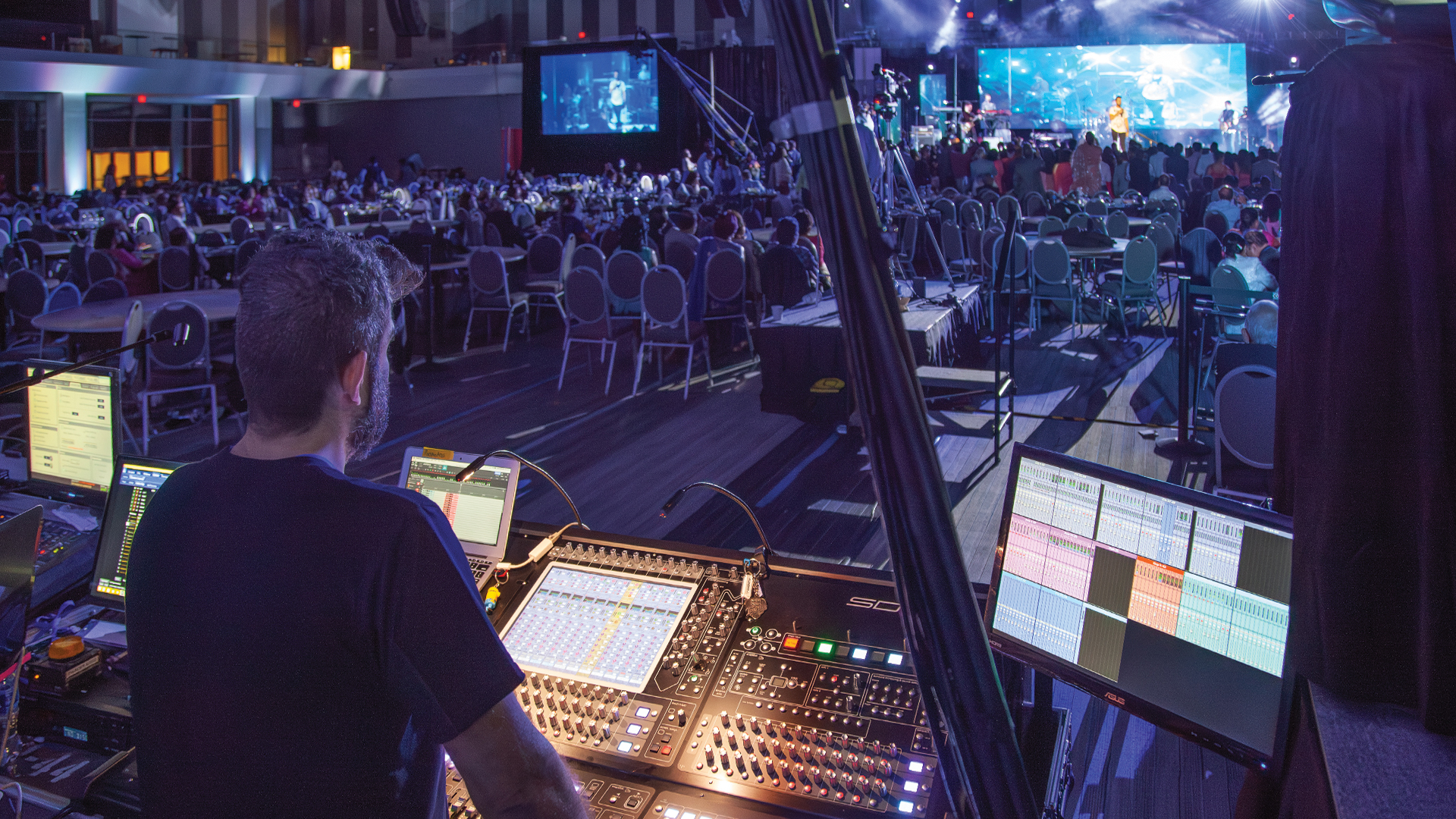
When systems fail during live performances, audiences should notice nothing. This invisible recovery happens because show engineers design, implement, and maintain redundancy architectures that activate automatically when primary systems falter. The sophistication of modern failover systems rivals mission-critical computing environments, applying aerospace and broadcast engineering principles to entertainment technology.
The Engineering Philosophy of Redundancy
Redundancy engineering began in earnest during World War II when aircraft systems needed to survive combat damage. The principle that no single point of failure should cause system collapse transferred to broadcast television in the 1950s and eventually reached live entertainment. Today’s productions apply these battle-tested principles to ensure shows continue regardless of equipment failures.
The key concept is N+1 redundancy—having one more system than strictly necessary. If a production needs two video servers, it carries three. If one fails, the remaining two maintain operation. This approach extends through every critical system path, creating defense in depth against cascading failures.
Audio System Failover Architecture
Audio represents perhaps the most failure-sensitive system—audiences immediately notice sound interruptions. Professional sound systems implement automatic failover at multiple levels, from input processing through amplification. A typical concert PA might include redundant consoles, duplicate stage boxes, and parallel amplifier feeds, any of which can fail without silencing the show.
Digital audio networks like Dante include native redundancy features. Primary and secondary network paths carry identical streams. If primary network hardware fails, devices automatically switch to secondary paths within milliseconds. Proper network infrastructure using managed switches with RSTP (Rapid Spanning Tree Protocol) enables this rapid failover without manual intervention.
Consoles from DiGiCo, Yamaha, and Avid all offer redundant engine cards that maintain operation if primary DSP fails. Productions demanding highest reliability run dual consoles with automatic transfer switching—a complete mixer failure simply passes control to the backup unit already tracking the show.
Video and Media Server Redundancy
Video systems present unique failover challenges because content must continue seamlessly—black screens destroy illusions instantly. Media server redundancy typically involves synchronized backup systems running identical content in parallel with primary servers, with automated switching detecting failures and transferring outputs.
Disguise (formerly d3) servers support redundancy configurations where understudies mirror primary machines frame-for-frame. If a primary server fails, the understudy assumes output responsibilities within milliseconds. This architecture requires careful content management ensuring all machines contain identical media.
Hardware video matrix switchers from manufacturers like Barco or Analog Way provide another failover layer. These devices can switch between multiple sources instantly, enabling operators to manually transfer from failed servers to backups when automatic systems don’t respond fast enough.
LED wall processors require their own redundancy consideration. Brompton Tessera processors support backup input configurations, maintaining display operation even if primary signal paths fail. Proper redundancy design ensures every link in the video chain has backup capability.
Lighting Console Failover Strategies
Lighting failures produce less immediate audience impact than audio or video—fixtures can freeze on last command without obvious disruption. However, professional productions still implement comprehensive lighting failover to maintain creative control throughout performances.
The GrandMA3 session system provides elegant failover through networked console synchronization. Multiple consoles join a session, maintaining identical show state. If the master fails, another console assumes control seamlessly. Well-configured MA systems require no manual intervention during failover events.
DMX distribution redundancy often employs parallel universes. Primary and backup consoles output to separate DMX networks, with distribution nodes selecting the active source. Systems like Pathport or City Theatrical DMX gateways support automatic source switching when primary signals fail.
Show Control System Resilience
Centralized show control systems coordinating multiple departments represent critical failure points requiring robust protection. A failed show controller could disrupt lighting, video, audio, and automation simultaneously. Smart designs either distribute control intelligence or implement comprehensive controller redundancy.
QLab deployments typically run synchronized backup machines mirroring the primary workstation. Both machines receive identical cue triggers, but only the primary outputs to controlled systems. If the primary fails, operators can instantly switch to the backup, which continues from the same point in the show.
More sophisticated installations use purpose-built show controllers like Medialon or Alcorn McBride systems designed for failover from inception. These industrial-grade controllers include hot-standby capabilities, watchdog monitoring, and automatic recovery routines tested in theme park and permanent installation environments.
Network Infrastructure Considerations
Modern productions depend heavily on network connectivity, making network redundancy essential. The converged networks carrying Dante audio, Art-Net lighting, and NDI video must remain operational despite switch failures, cable damage, or port malfunctions.
Ring topologies provide inherent redundancy—data can route either direction around the ring if a segment fails. Managed switches from Luminex, Cisco, or Netgear configured with rapid spanning tree protocols detect failures and reroute traffic automatically. Proper configuration and testing verify failover occurs quickly enough to prevent audible or visible disruption.
Dual home connections for critical devices provide additional protection. Consoles, servers, and processing equipment connect to multiple network switches through independent ports. If one switch fails, the alternate path maintains connectivity without interruption.
Power System Redundancy
All technical redundancy becomes meaningless without reliable power. Professional productions implement power protection through UPS systems, generator backup, and intelligent load distribution. Critical equipment receives protected power ensuring graceful handling of utility failures.
UPS systems from APC or Eaton protect consoles, servers, and processing equipment from momentary outages and provide runtime for orderly shutdown during extended failures. Sizing UPS capacity requires understanding actual equipment draws, not just nameplate ratings.
Generator systems provide extended backup power for major events. Automatic transfer switches detect utility failure and start generators within seconds. Productions demanding continuous operation sometimes run dual generators in parallel, with either capable of supporting full show loads.
Testing and Verification Protocols
Redundancy systems provide false security if never tested. Professional show engineers conduct regular failover verification, deliberately triggering failures during tech rehearsals to confirm backup systems activate correctly. Finding problems during testing beats discovering them during performances.
Testing protocols should simulate realistic failure modes. Simply switching to backup consoles doesn’t verify automatic failover detection works correctly. Testing should disconnect primary systems without warning backup systems, verifying automatic detection and switchover occur within acceptable time windows.
Documentation of failover procedures ensures all operators understand recovery steps. Laminated quick-reference cards at operator positions provide guidance during stress. Regular drills maintain muscle memory so operators respond correctly without hesitation when actual failures occur.
The Human Element in System Recovery
Despite sophisticated automation, human judgment remains essential during failures. Show callers must decide whether to continue, pause, or stop shows when systems fail. They need accurate status information from technical departments and clear communication channels to make informed decisions quickly.
Training crews to recognize failure symptoms enables faster response. Operators who understand system architecture can often diagnose problems faster than automated monitoring. Combining human expertise with automated failover creates resilient productions that handle unexpected situations gracefully.
The best failover systems operate transparently—audiences never know activation occurred. This invisibility represents the ultimate success of redundancy engineering. Show engineers designing and maintaining these systems work knowing their greatest accomplishment is making their work unnoticeable, ensuring shows continue flawlessly despite the inevitable failures that plague complex technical productions.
